Live · NBC 60
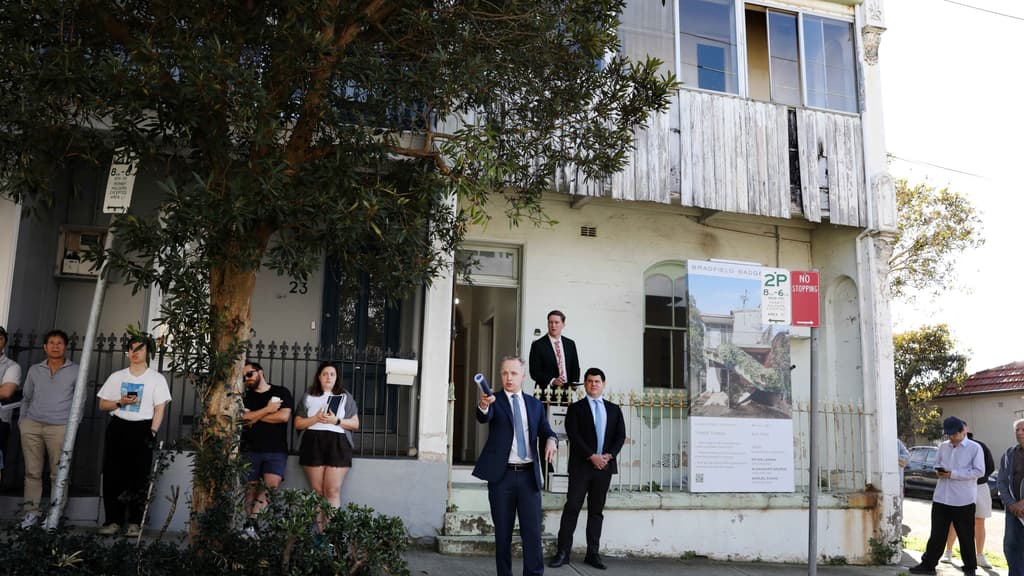
The threat of more interest rate hikes has created uncertainty among buyers that is contributing to falling home prices. Picture: Jane Dempster Heartbreaking inflation figures released Wednesday could spell disaster for the Australian housing market, deepening the current downturn into the worst price slump this century. Alarming ABS figures released Wednesday showed underlying inflation, the main metric the Reserve Bank uses to guide monetary policy, was 3.6 per cent in the year to September.
This was up from a revised figure of 3.5 per cent the month prior and well above the 2-3 per cent RBA target band, suggesting a strong case for more interest rate hikes. Headline inflation (CPI) was 4.3 per cent, up from 4 per cent over the 12 months to August. It follows warnings from RBA deputy governor Andrew Hauser last week that prolonged above-target inflation was a “central banker’s nightmare” and that further rate hikes remained firmly on the table.
Markets are currently pricing in a roughly 62 per cent chance of a rate hike on Melbourne Cup day next week. Another 0.25 per cent hike would take the cash rate to 4.85 per cent, the highest in 18 years. National home prices have already fallen 5.5 per cent this calendar year, equalling the biggest ever drop this century, which was recorded in 2018.
Even a modest additional price fall would see the current downturn surpass that figure. Falls this year have already outpaced the 4.4 per cent decline in national prices recorded in 2008, at the height of the GFC, according to figures from economics group My Housing Market. MORE: Bad news for Aussies who earn under $250k My Housing Market economist Andrew Wilson said sticky inflation leading to more rate hikes would be “a negative” for the housing market and would make the current downturn the worst since records began in 1987.
“Another rate hike would exacerbate (price) falls,” he said, noting that key markets in Sydney had been showing signs of bottoming out and additional rate hikes, if they were announced, would halt this recovery. RBA governor Michele Bullock could announce a rate hike in November or December. Picture: Martin Ollman MORE: Homeowner loses $1700 a day after suburb change Ray White chief economist Nerida Conisbee said signs of still embedded inflation would drive up speculation of another rate hike and that alone would make buyers and sellers think twice.
“It’s a climate of uncertainty,” she said. “No one knows when rates will peak and that’s a sticky point that enters seller and buyer decisions ... it’s possible the downturn could become worse than the GFC.” It’s expected that some of Australia’s major banks may soon revise their price forecasts for the current downturn. Commonwealth Bank’s most recent forecast was for a 9 per cent peak to trough fall in national prices, but their modelling did not factor in a November or December hike.
NAB has predicted an 11 per cent fall with the same rates assumption. MORE: ‘No idea’: Woman loses home in Albo’s rule change Ray White Group chief economist Nerida Conisbee said some market had been showing signs of recovery, but higher inflation could change the market’s trajectory. ANZ’s most recent forecast, revised from earlier this year, now factors in a November hike and the expected national price fall is 10.6 per cent, with greater falls expected in Sydney and Melbourne.
One of the reasons the current downturn could deepen is that unemployment has been inching up and rate hikes have reached a point where defaults are a growing risk. Data from ratings agency Equifax revealed arrears rates have been sneaking up among first-home buyers, especially those who purchased in 2022, just before rates were pulled up from record lows. About 1 per cent of first-home buyers who entered the market in 2022 were reported to be in arrears on their mortgage, Equifax revealed.
MORE: China targets Aus homes in $5bn move The big four banks had forecast national home price falls of about 7-11 per cent. Equifax chief solution officer Kevin James said this could rise if rates go up again. “First-home buyers are facing compounding challenges, including relatively high property prices, strict serviceability testing, high interest rates, and broader cost-of-living inflation,” Mr James said.
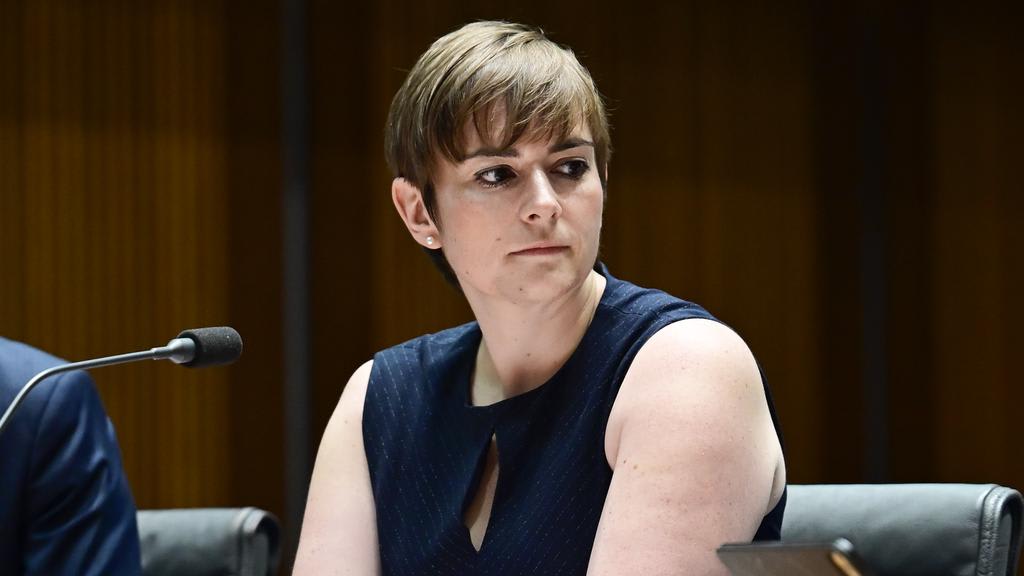
“These factors have all contributed to the upward trend on first-home buyer arrears that we have seen over the past year. “These conditions show little sign of abating and are putting increasing pressure on some first-home buyers’ ability to keep up with mortgage repayments.” MORE: Man’s horror as home keeps burning down On 60 Minutes, RBA assistant governor Dr Sarah Hunter said it was “really tough” hearing stories of people losing and selling their homes because they couldn’t keep up with mortgage repayments. “It does weigh on the board but we gotta get inflation out for the good of everybody,” she told the program.
“And that’s really what we’re trying to do.”
Source: Real Estate