Live · NBC 60
The Reserve Bank says government spending continues to be a factor driving high inflation but warns there is little it can do to influence or control that, leaving the pressure on households. Speaking on 60 Minutes on Sunday, assistant governor Sarah Hunter acknowledged households are continuing to take the brunt of the sacrifices for high inflation , saying there are more high prices ahead before Australia’s situation improves. The RBA is deep into a tactic where it uses rate hikes to deliberately squeeze budgets, ultimately pushing households to spend less to ultimately ease inflation.
Four rate hikes have already been pushed through since February, with households widely expected to face at least one more before Christmas. “We know people are feeling the pain, but we know interest rates work,” Dr Hunter said. “They do bring down inflation and I really hope that in a few years’ time it's done and gone and we aren’t talking about cost of living anymore.” Dr Hunter serves as the chief economic adviser to RBA governor Michele Bullock as well as the bank's monetary policy board, but is not one of its nine decision-makers for interest rates.
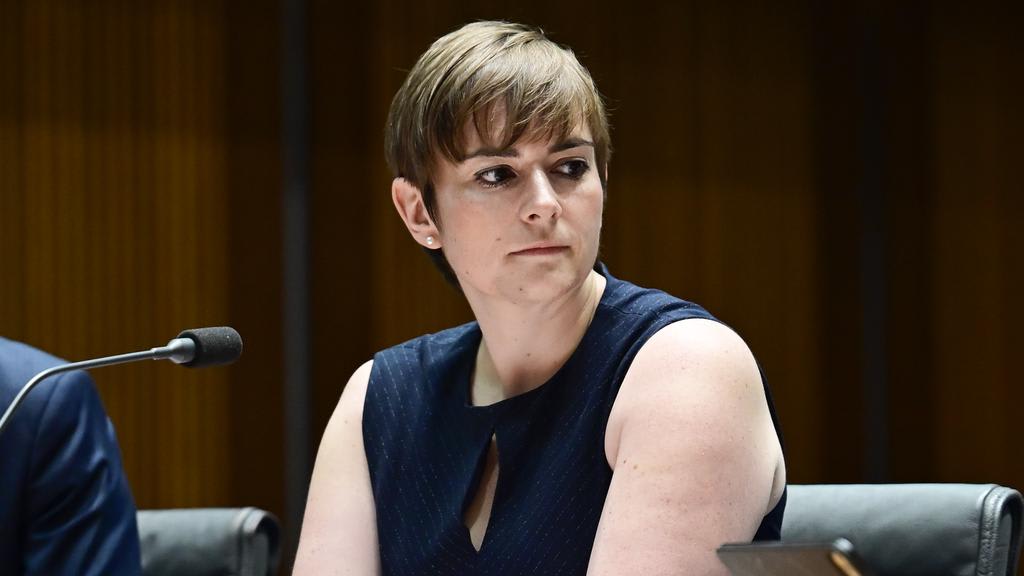
RBA assistant governor Sarah Hunter. Picture: NewsWire / Martin Ollman While she remained tight lipped on whether households could expect rates to rise after the board's 5 November decision, Dr Hunter warned increasing oil prices meant fuel and food costs would increase again before coming down. Mortgage holders in particular are feeling the pinch, with one more increase to the 4.6% cash rate bringing it to the highest level seen since the Global Financial Crisis.
One hike adds around $120 a month to minimum repayments on a $750,000 home loan. Dr Hunter acknowledged many households would be facing difficult decisions toward the end of the year in line with the RBA’s decision to tighten monetary policy. “Knowing people risk losing their homes weighs heavily on the board,” she said.
“But inflation must come down for everyone’s good.” Central in the equation is not just household spending, but the government’s. “Government spending is contributing to demand and what the board is trying to do is bring demand back down to rebalance with supply,” Dr Hunter explained. “Once we do that, we’ll get back to that low and stable level of inflation that we are targeting so that everyone can forget about it.” Dr Hunter said it was not the bank’s place to “tell politicians what government should or shouldn’t spend money on”, however.
“That’s a conversation the country should have and we do all have our say at the ballot box when elections roll round,” she added. “I would love if the country could forget about inflation, that is what we’re trying to do.”
Source: Real Estate