Live · NBC 60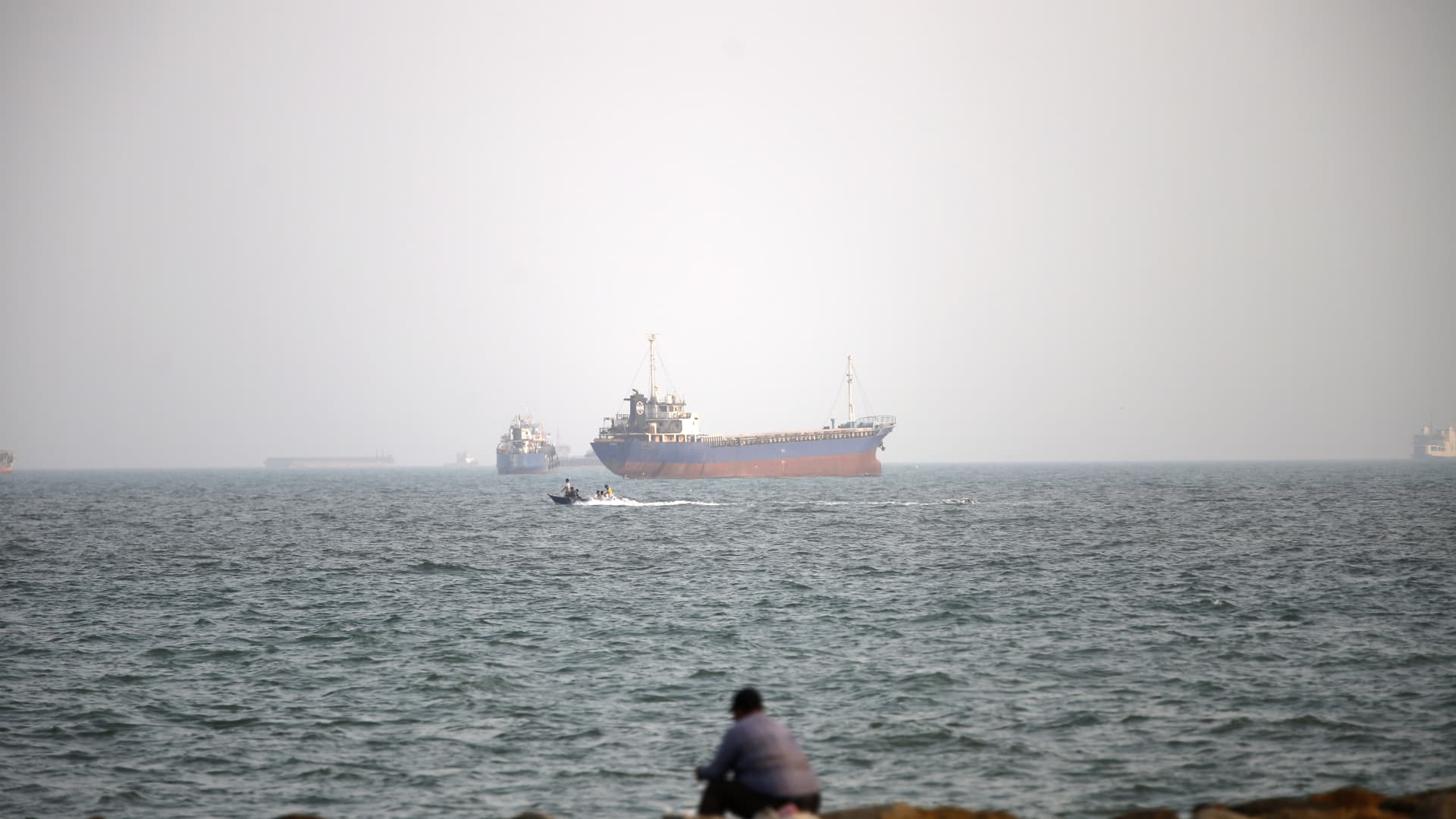
Numerous merchant ships belonging to Iran and other countries remain at anchor in the Strait of Hormuz in Bandar Abbas, Iran, on Sept. 8, 2026. Fatemeh Bahrami | Anadolu | Getty Images Oil fell Thursday, as traders assess a report that Asia is on track to import its highest volume of crude oil since the start of the US-Iran war while keeping watch on developments in the Middle East. Futures for international benchmark Brent crude for November delivery declined 0.52% at $102.54 a barrel.
U.S. West Texas Intermediate futures for November dropped 0.34% at $91.85 per barrel. Stock Chart IconStock chart icon brent Asia's imports of crude oil rose in September to the highest level since the start of the Iran war, Reuters reported.
The region is on track to import 23.96 million barrels per day in September, up from 23.38 million bpd in August and the most since February, Reuters said, citing data compiled by commodity analysts Kpler. Stock Chart IconStock chart icon wti Meanwhile, tensions continue to simmer between the U.S. and Iran after Iranian President Masoud Pezeshkian blamed the U.S. and Israel for stoking global instability. "The United States president described us as terrorists.
We have been the victims of terrorism," Pezeshkian said, according to a live translation of his speech at the United Nations General Assembly. Pezeshkian also asserted that his country will continue to fight back "until our last breath." While lower oil prices may be giving equities in the U.S. and Europe some breathing room, there are some risks that may reverse that support quickly, according to Naeem Aslam, chief investment officer at Zaye Capital Markets. "Markets are still sensitive to further monetary tightening, renewed Middle East escalation and this week's U.S.-China discussions around trade, AI and strategic supply chain," Aslam added.
Source: cnbc.com